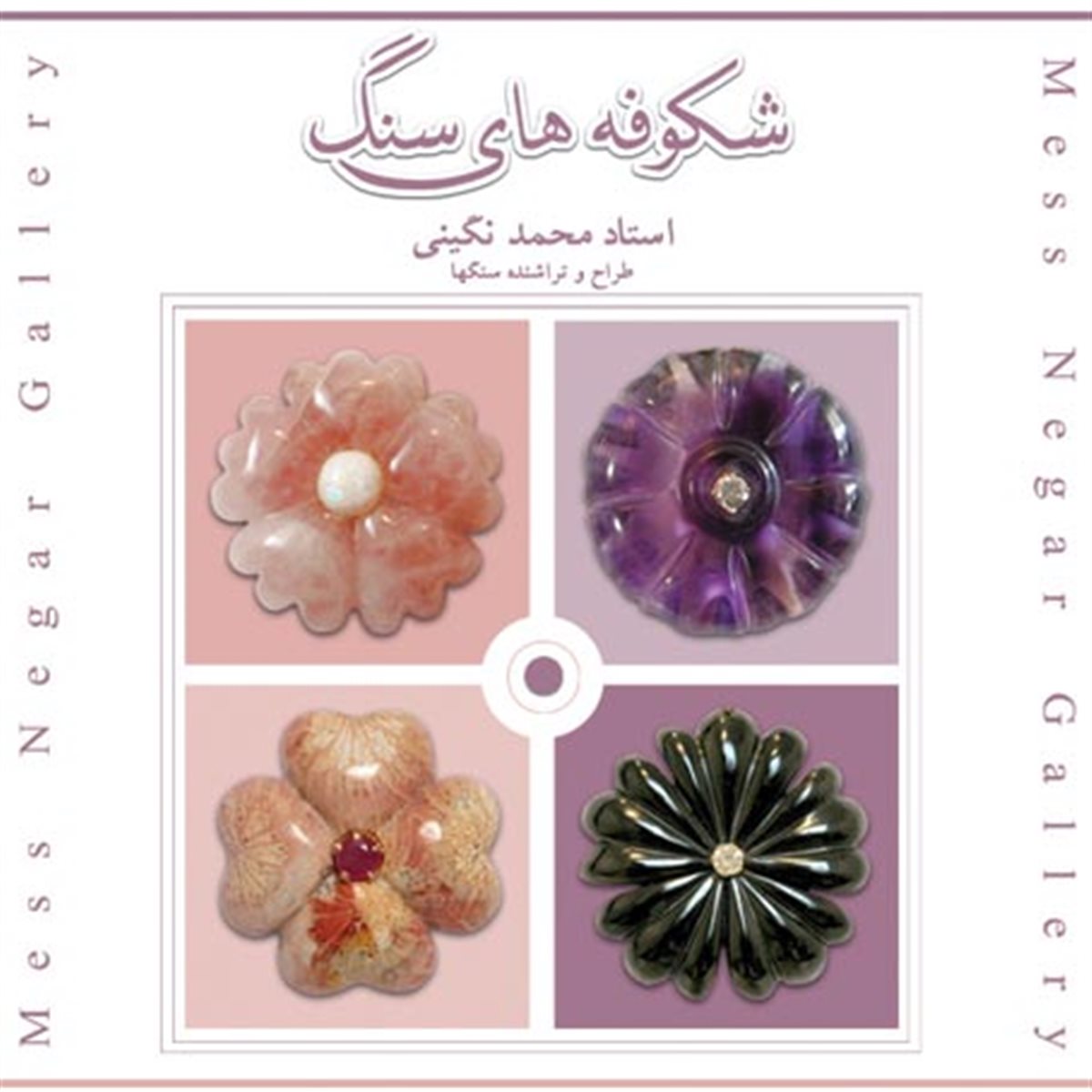
Stone Blossoms
Solo Exhibition
The history of using jewelry and gemstones is as old as humanity itself. The first humans, when they wore jewelry or colorful stones, were not thinking of enhancing their beauty. Their beliefs and perceptions regarding the magical and mystical properties of jewelry were personal motivations for using such objects. However, this was not the only reason—pride and display also played a role.
Over time, among ancient peoples across much of the world, complex and mysterious myths and beliefs arose in which religion, magic, and medicine were closely intertwined. As a result, the priest, magician, and physician were often the same person, and all their practices were directly connected to jewelry and gemstones. Precious and semi-precious stones held a high status in the rituals related to humanity’s relationship with supernatural forces.
Although today, with the advancement of knowledge and enlightenment, the magical and mystical aspects of gemstones and jewelry are less emphasized, remnants of early superstitions combined with modern beliefs still captivate the minds of many around the world. At the same time, gemology has taken on a scientific dimension, and gemstone cutting and jewelry making are now recognized as fine arts. Because the use of jewelry is inherently linked to human instincts, it remains indispensable.
In Iran, the use of jewelry and gemstones has been customary since the earliest times. The national epic, Ferdowsi’s Shahnameh, is filled with references to gemstones and jewelry, indicating that our ancestors recognized their value. The preciousness of a gemstone is determined by several characteristics, including color, hardness, beauty, and brilliance. The color of gemstones has always attracted the attention of gemologists, jewelers, and buyers. Color results from the absorption of certain light rays from white light by the crystal lattice.
Beyond color, other qualities—such as transparency, proportion, and polish—enhance the beauty and brilliance of precious and semi-precious stones. The difference in the speed of light between air and transparent stones determines a gemstone’s capacity to sparkle; diamonds possess this quality more than any other stone. Another important factor in evaluating gemstones for trade is cutting, which involves polishing, finishing the surface, and optimizing color display. The quality of a gem’s cut is a measure of its value and reflects the skill and artistry of its creator.
From the book: “Gemstones and Their Place in Iran
- Mohammad Negini